Explore firsthand photographs of memorable hiking viewpoints across U.S. national and state parks, with practical explanations of what makes each location worth visiting.
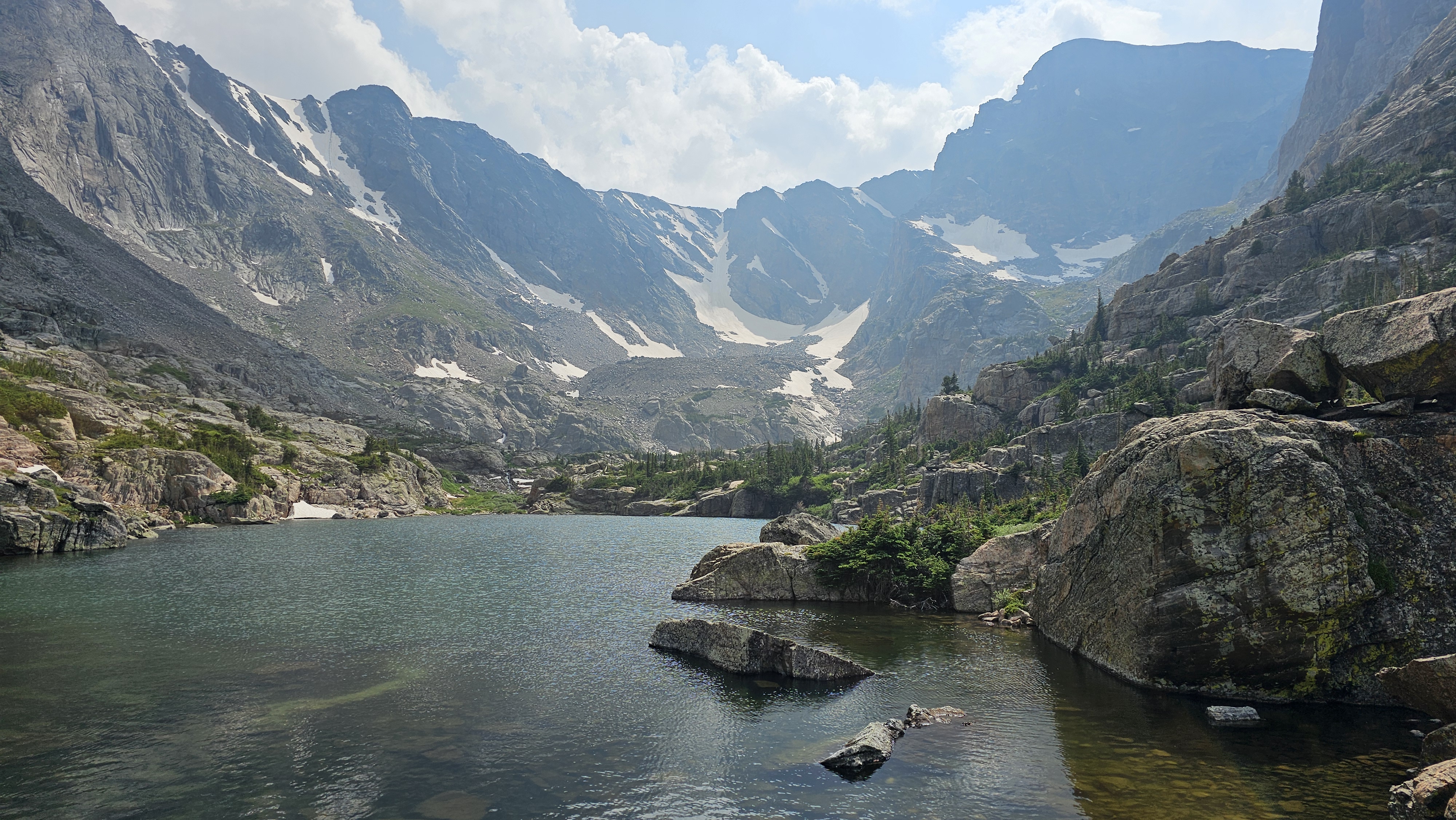
Sky Pond: Sky Pond rewards a challenging high-elevation hike with a panoramic view of the alpine lake, surrounding rock spires and glacial cirque. Reaching it requires continuing to the end of the trail and ascending the steep, wet rock beside Timberline Falls. The lake provides a natural place to rest, recover for the return hike and photograph one of the park's most distinctive alpine settings.
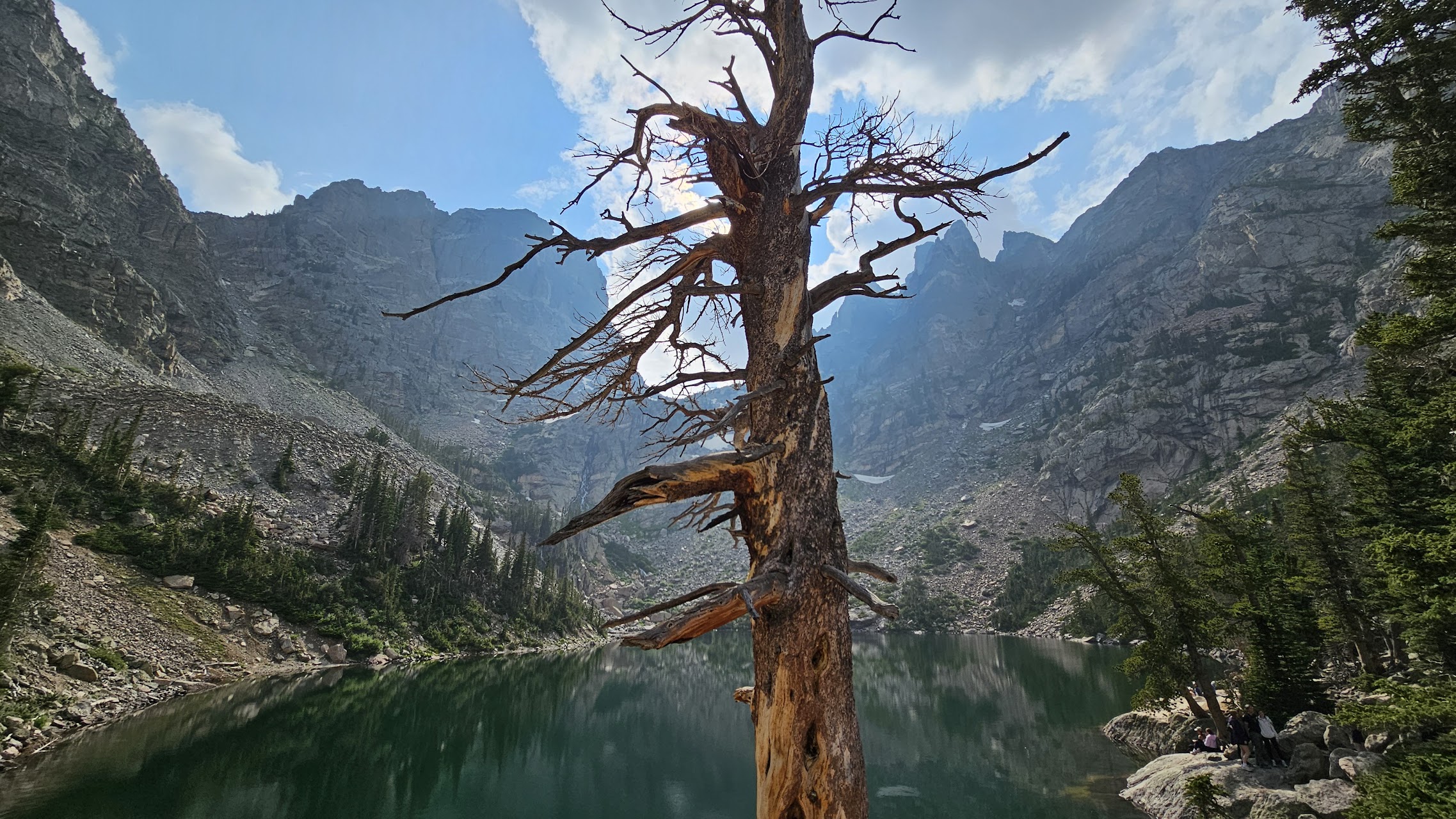
Dream Lake view toward Hallett Peak: Dream Lake provides an opportunity to photograph Hallett Peak and the surrounding mountain skyline without committing an entire day to a long summit hike. Under the right conditions, the glacially formed lake reflects the peaks and passing clouds, creating a layered mountain-and-water composition that is difficult to find elsewhere in the park with such a short approach.
Our visit — July 2024: We photographed these viewpoints during clear weather, with daytime temperatures generally ranging from 65°F to 75°F at lower elevations. Upper areas were noticeably cooler, and strong wind gusts made the temperature feel colder. Carrying layers is important even on a warm summer day because high-elevation conditions can change quickly. The Sky Pond hike remained physically demanding because of its distance, elevation and steep section beside Timberline Falls.
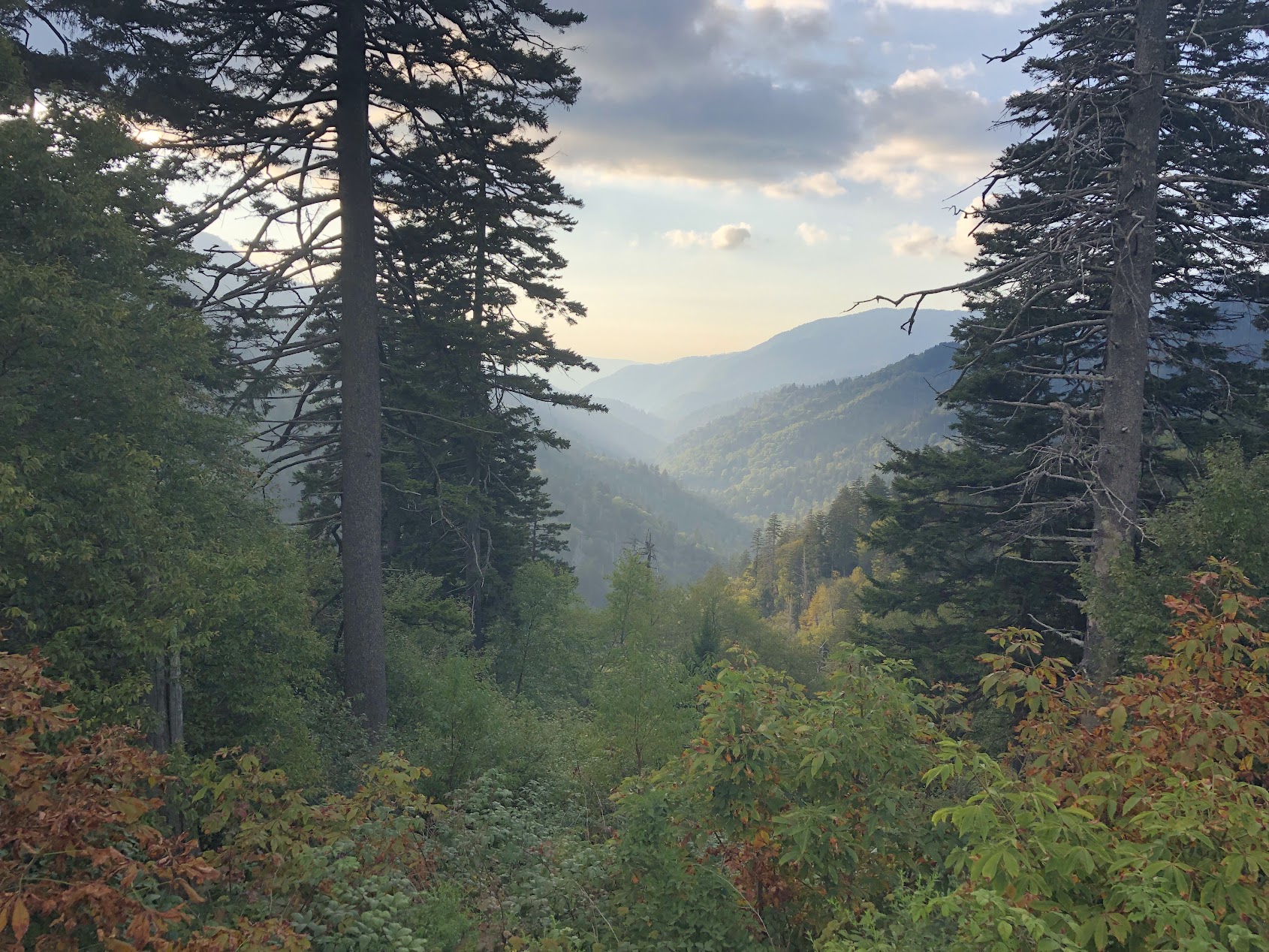
Morton Overlook: This roadside overlook provides a broad west-facing view across the layered ridges of the Smokies. It is especially valuable near sunset, when fading light separates the ridgelines into blue and gray bands. Visitors can drive to the overlook and take panoramic photographs without committing substantial time to hiking.
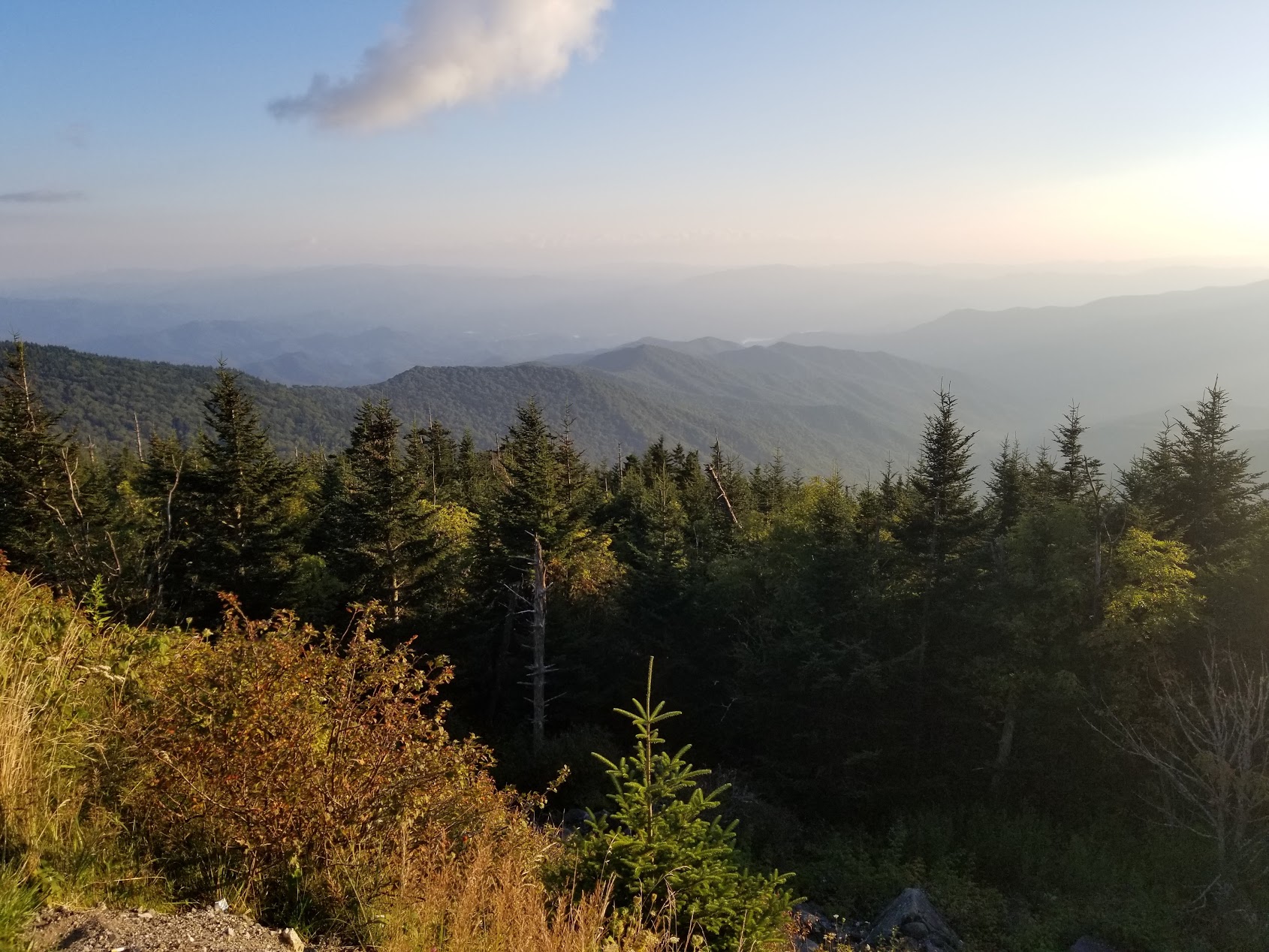
Kuwohi trailhead area: Visitors can drive to the park's high central ridge and reach long views across successive mountain ranges with only a limited walk. This makes Kuwohi a practical choice for people who want a high-elevation Smokies panorama without completing a long trail, although clouds can change visibility quickly.
Our visit — September 2019: We experienced comfortable warm temperatures ranging from approximately 69°F to 85°F. The park remained heavily shaded, which provided substantial protection from direct sunlight during the middle of the day. Both photographed viewpoints were accessible without a major hiking commitment.
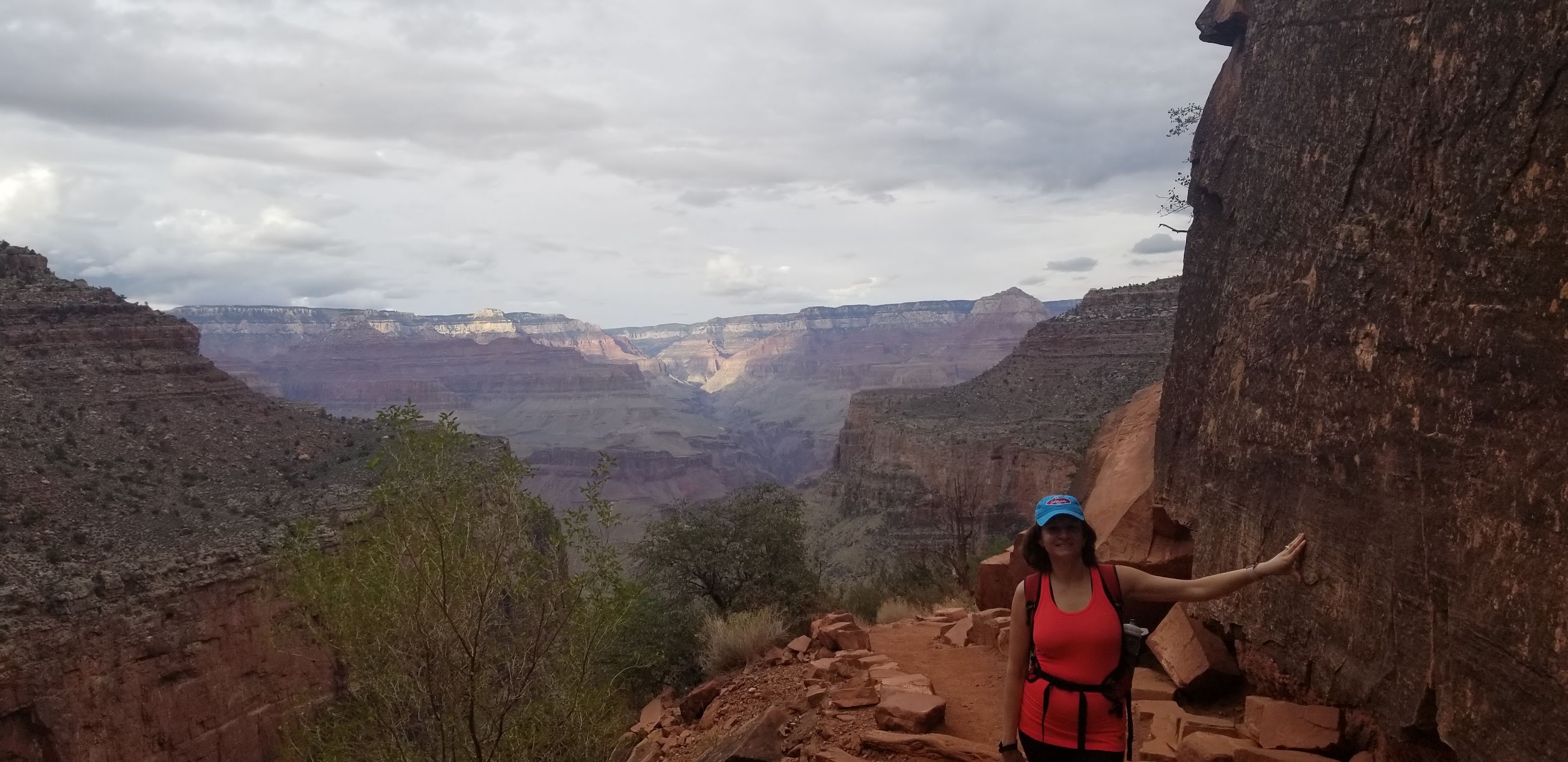
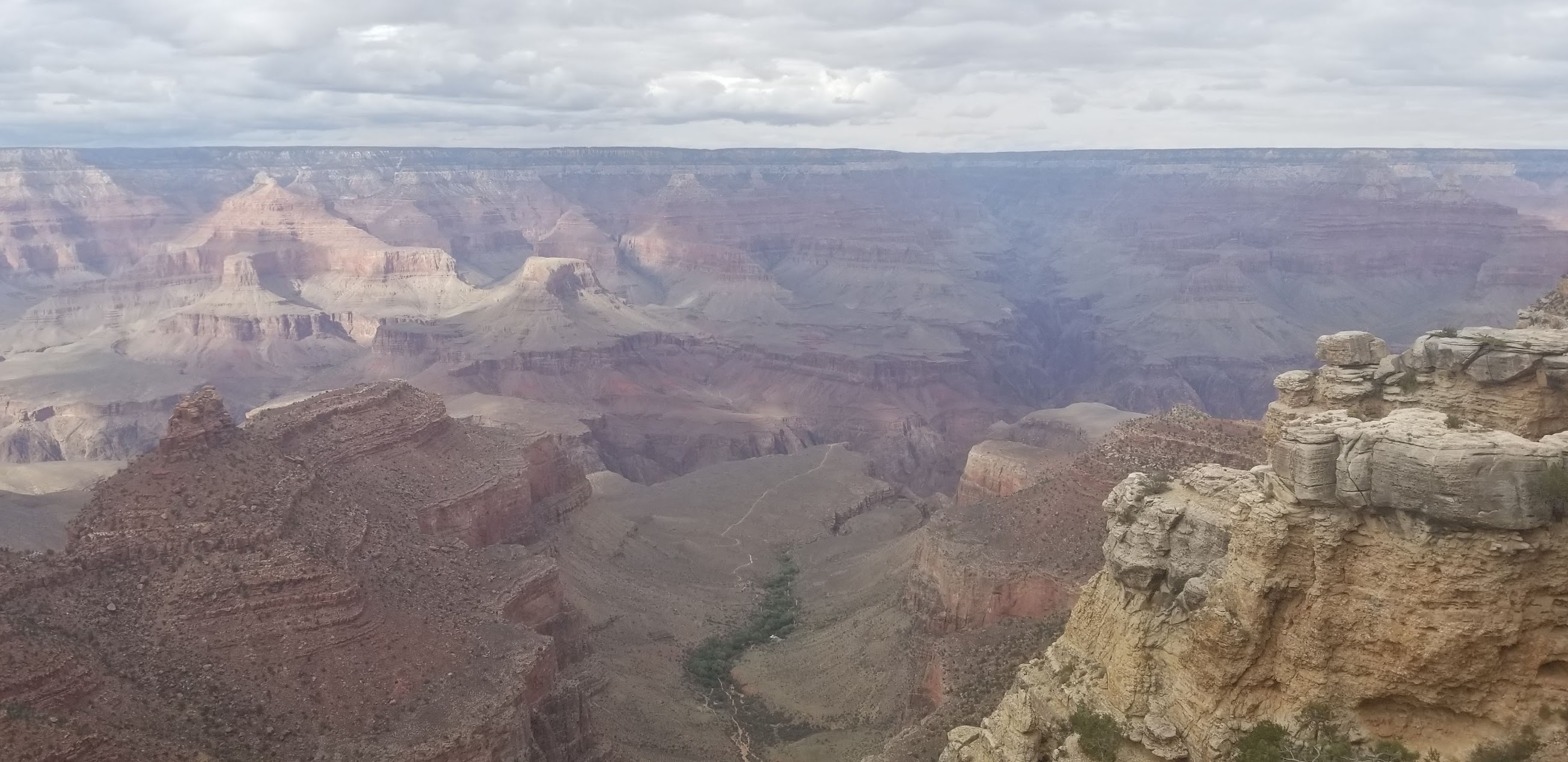
Bright Angel Trail: Grand Canyon is one of the country's defining hiking destinations. Short rim walks provide easy access to overlooks, but the Bright Angel Trail offers a much more direct experience of the canyon's depth. A round trip from the South Rim to the Colorado River is approximately 15 to 16 miles and involves a very strenuous descent and climb. The first third of the trail already provides exceptional opportunities to photograph changing rock layers, switchbacks and the inner canyon from angles that cannot be reached from the rim.
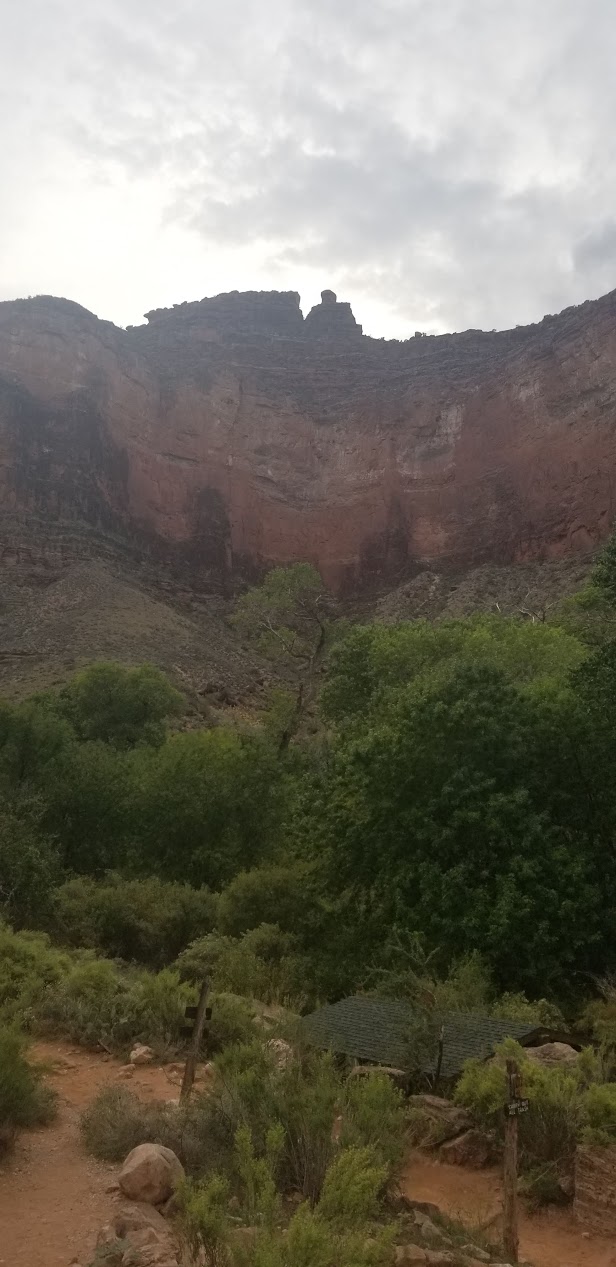
Indian Gardens area: The greener area around Indian Gardens provides a strong visual contrast with the surrounding rock and marks a practical place to rest before beginning of the hike back toward the South Rim. The views from this part of Bright Angel Trail show the substantial vertical distance already covered while still leaving the Colorado River farther below.
Our visit — October 1, 2018: These photographs were taken from the Bright Angel Trail, not the Rim Trail. We planned to continue toward the Colorado River, but an approaching storm led us to shorten the hike near Havasupai Gardens. Turning back was the appropriate decision because the return climb is long and exposed conditions can change quickly.
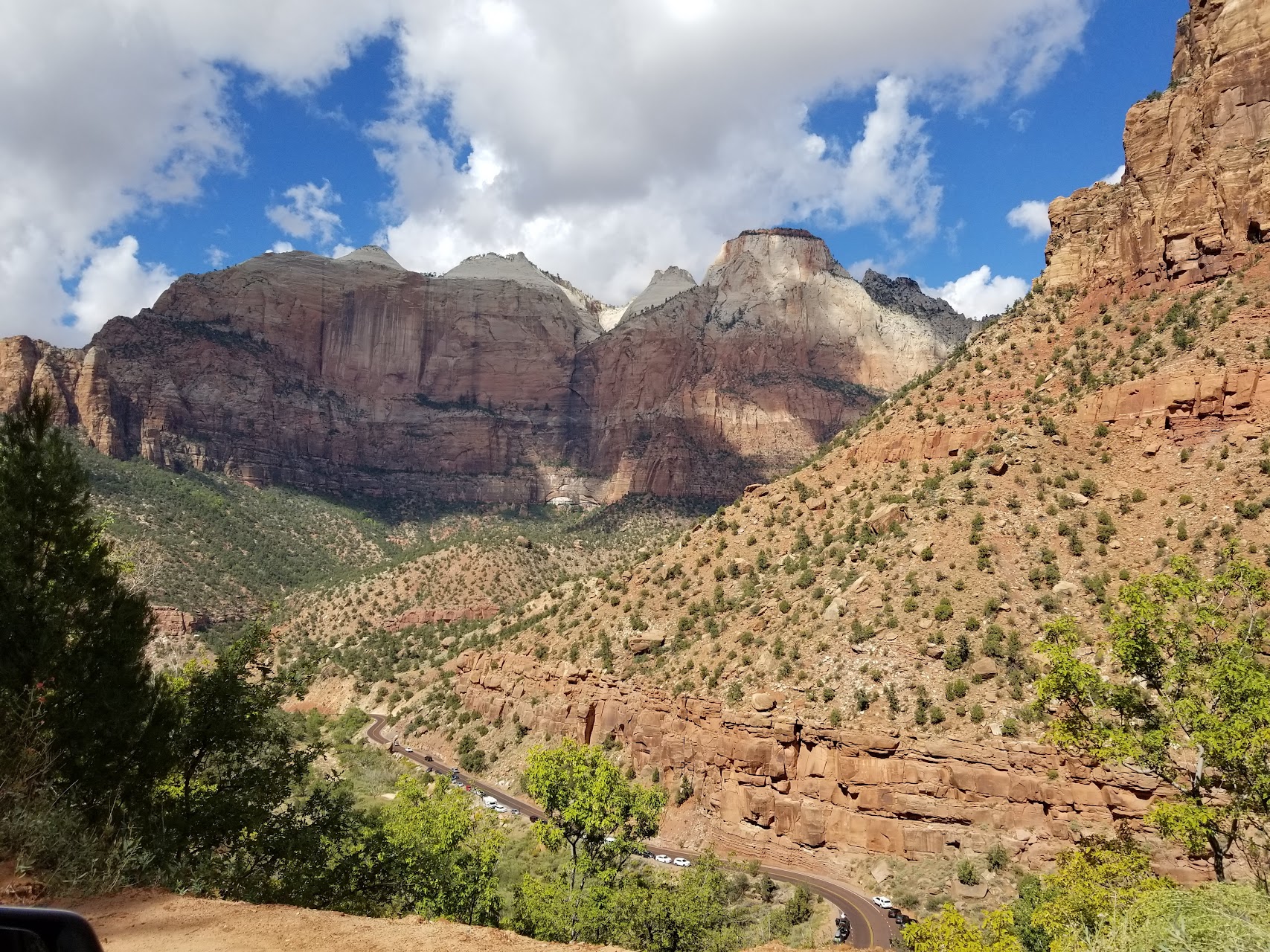
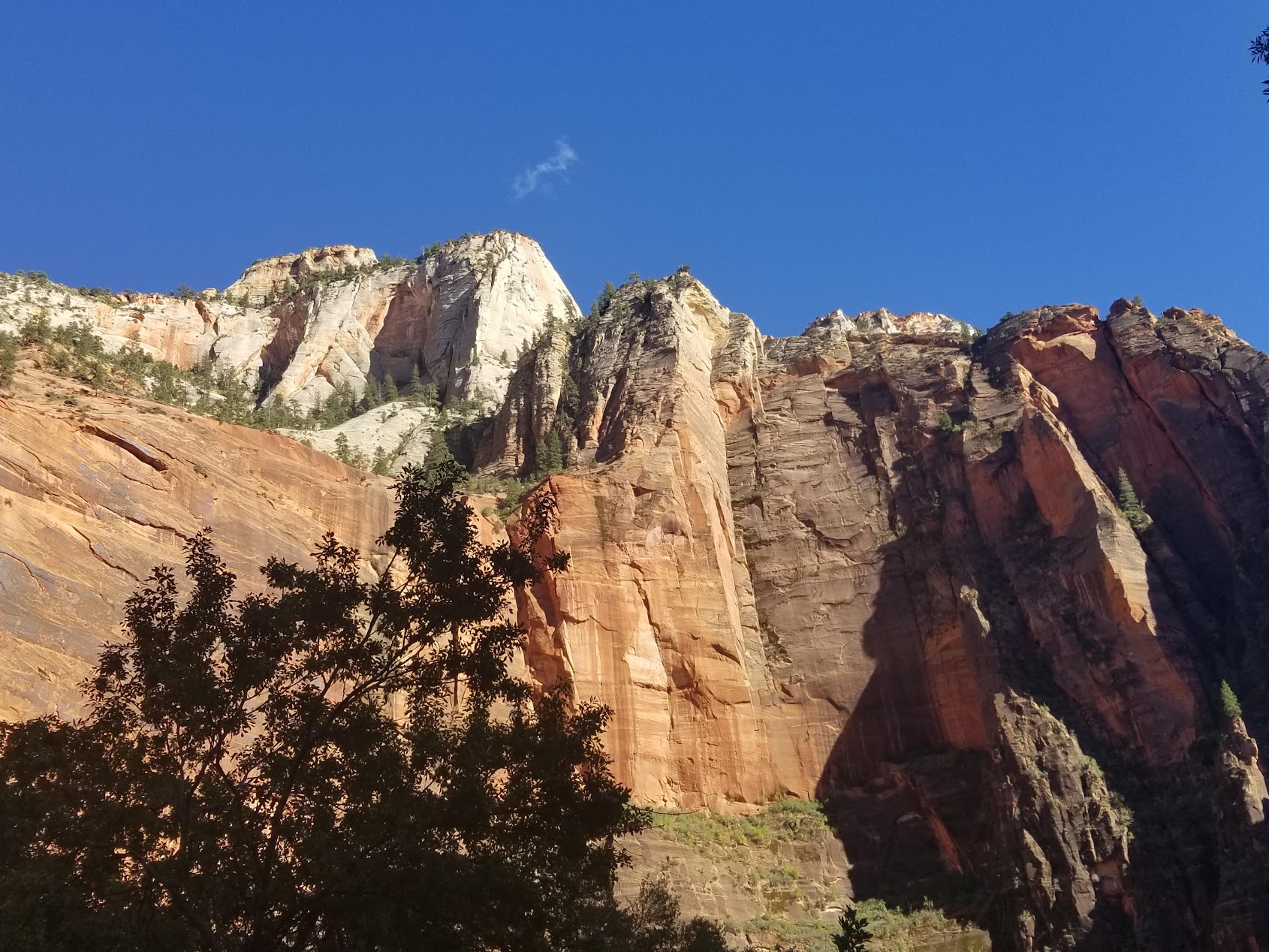
Crawford Arch near the Zion–Mount Carmel Tunnel: This viewpoint draws attention to a natural arch positioned high on the canyon wall, where its scale and location are easier to appreciate against the surrounding sandstone. It provides a distinctive photograph and shows that some of Zion's geological features are best observed from across the canyon rather than approached directly.
Temple of Sinawava: The upper end of Zion Canyon places visitors beneath tall sandstone walls at the starting point for the Riverside Walk and access toward the Narrows. The enclosed canyon setting provides a strong contrast with Zion's open overlooks and gives photographers opportunities to frame trees, river scenery and vertical rock walls together.
Our visit — October 2018: We visited Zion after hiking at Grand Canyon and intentionally limited the amount of additional hiking. These photographs were taken from areas relatively close to parking and shuttle access. Even this short visit made clear that Zion deserves substantially more than a day trip, and we plan to return for a longer hiking-focused visit.
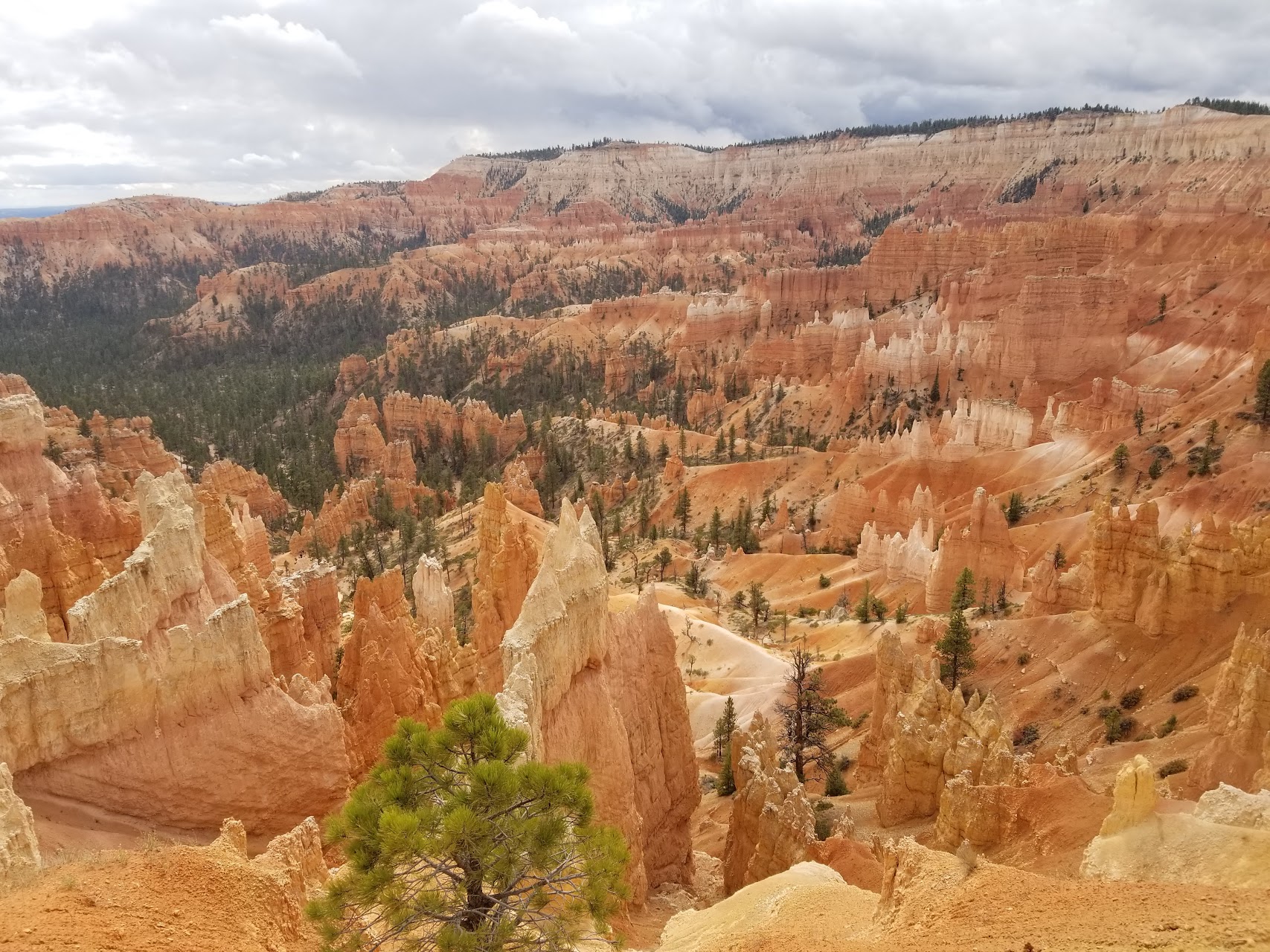
Rim Trail above the amphitheater: The Rim Trail provides a wide, top-down perspective across dense groups of hoodoos, fins and distant plateaus. It is one of the most efficient ways to photograph the overall scale of Bryce Canyon's formations before deciding whether to descend below the rim.
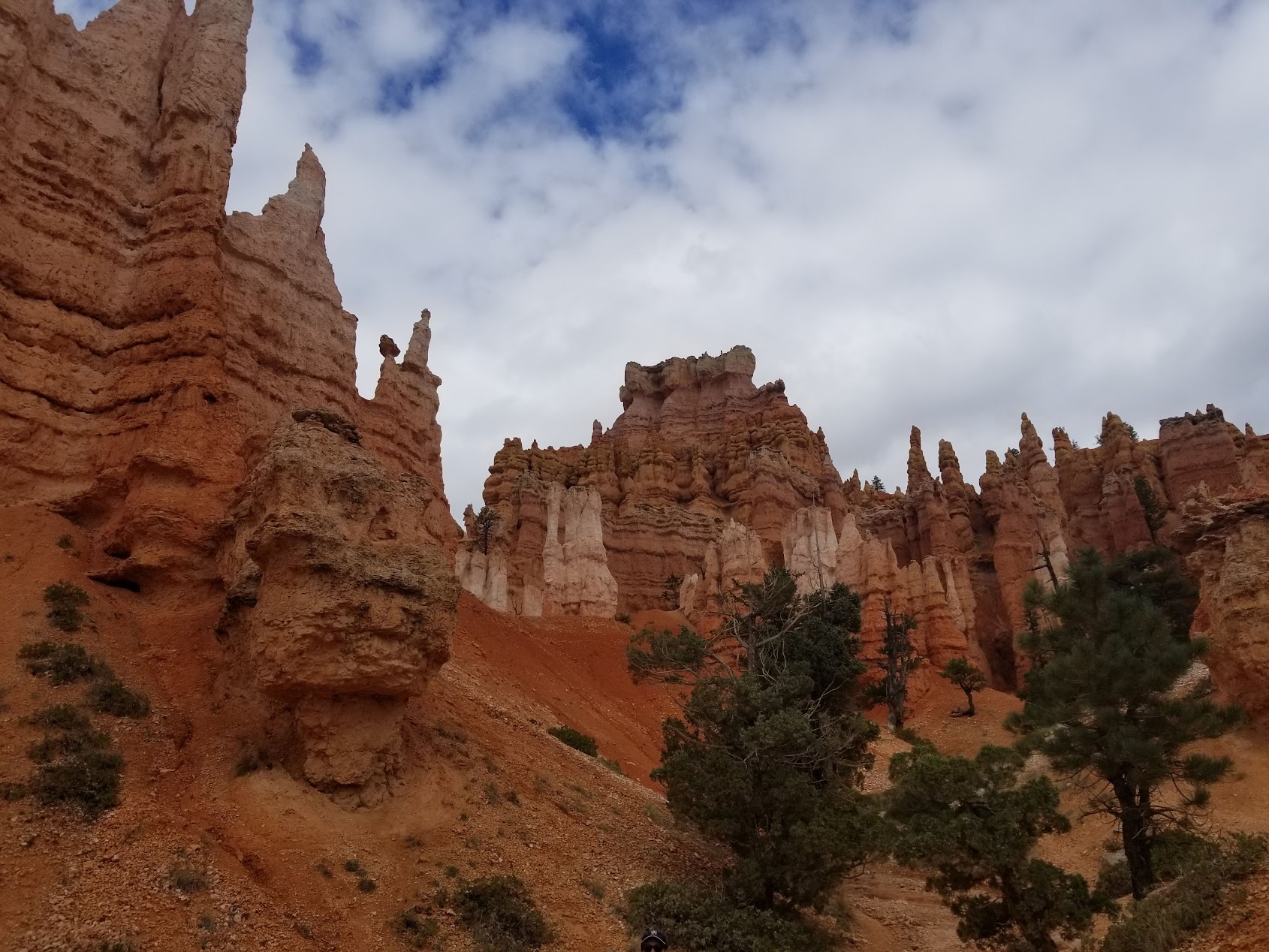
Queen's Garden Trail: Descending into the amphitheater changes the view from a distant panorama to an experience among the hoodoos. The trail provides close views of individual formations, narrow passages and changing compositions that cannot be captured from the rim alone.
Our visit — October 2018: We hiked across the park after visiting Grand Canyon and Zion. Bryce Canyon felt more relaxed while still providing exceptional scenery: visitors can see remarkable formations without following trails beside the same steep cliff exposure encountered in parts of Grand Canyon or Zion. The rim provides scale, while the trails below it provide close detail among the hoodoos.
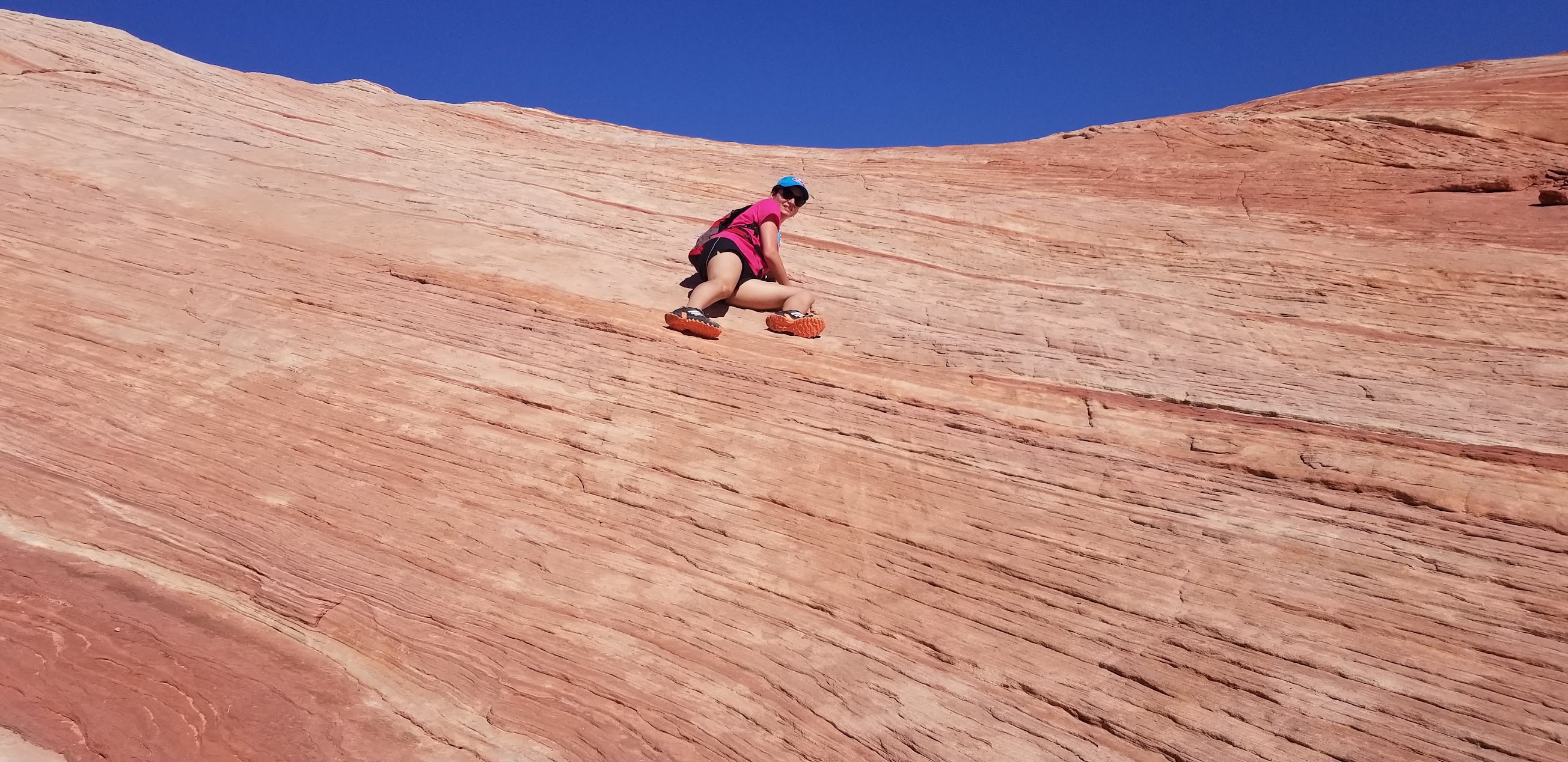
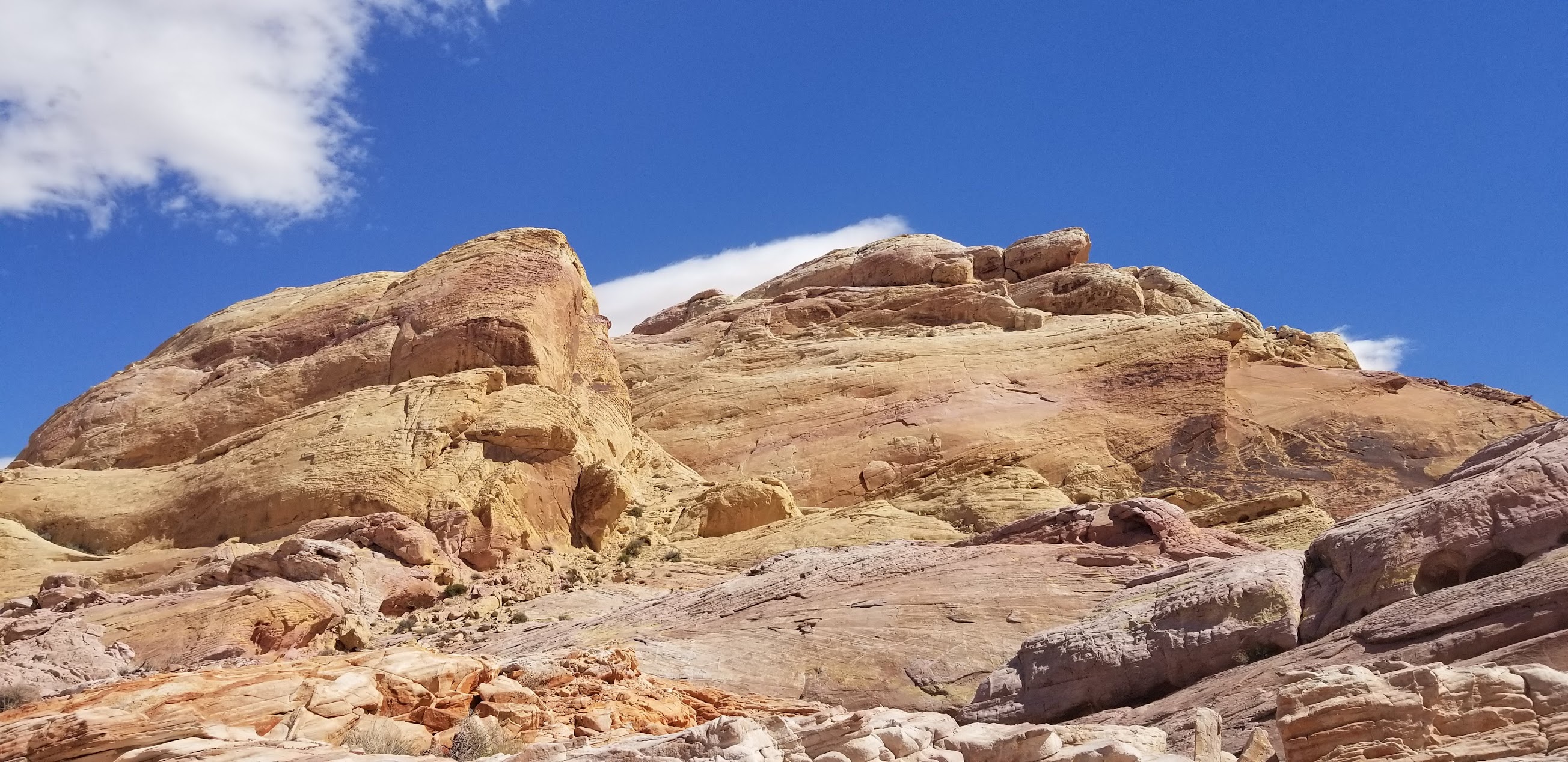
Fire Wave Trail: The Fire Wave provides a close view of curved red, pink and white sandstone bands that resemble a frozen wave. The strongest photographs use the repeating lines to lead the viewer through the frame, making this location valuable for visitors interested in geological patterns rather than only broad desert panoramas.
White Domes: White Domes combines contrasting sandstone colors, narrow passages and a short slot-canyon section within one compact area. It provides more variety than a single overlook and gives visitors opportunities to photograph both open desert formations and enclosed rock corridors.
Our visit — September 2018: We visited before continuing to Grand Canyon, Zion and Bryce Canyon. Valley of Fire provided an accessible introduction to Nevada's desert landscape and sandstone formations without requiring steep trails or a full day of hiking. Temperatures can approach 120°F during the hottest periods, so early morning is the safest and most comfortable time to explore. Snakes, spiders and other desert wildlife may be present; watch where you step and place your hands. Seasonal closures may also apply, so confirm current park conditions before visiting.
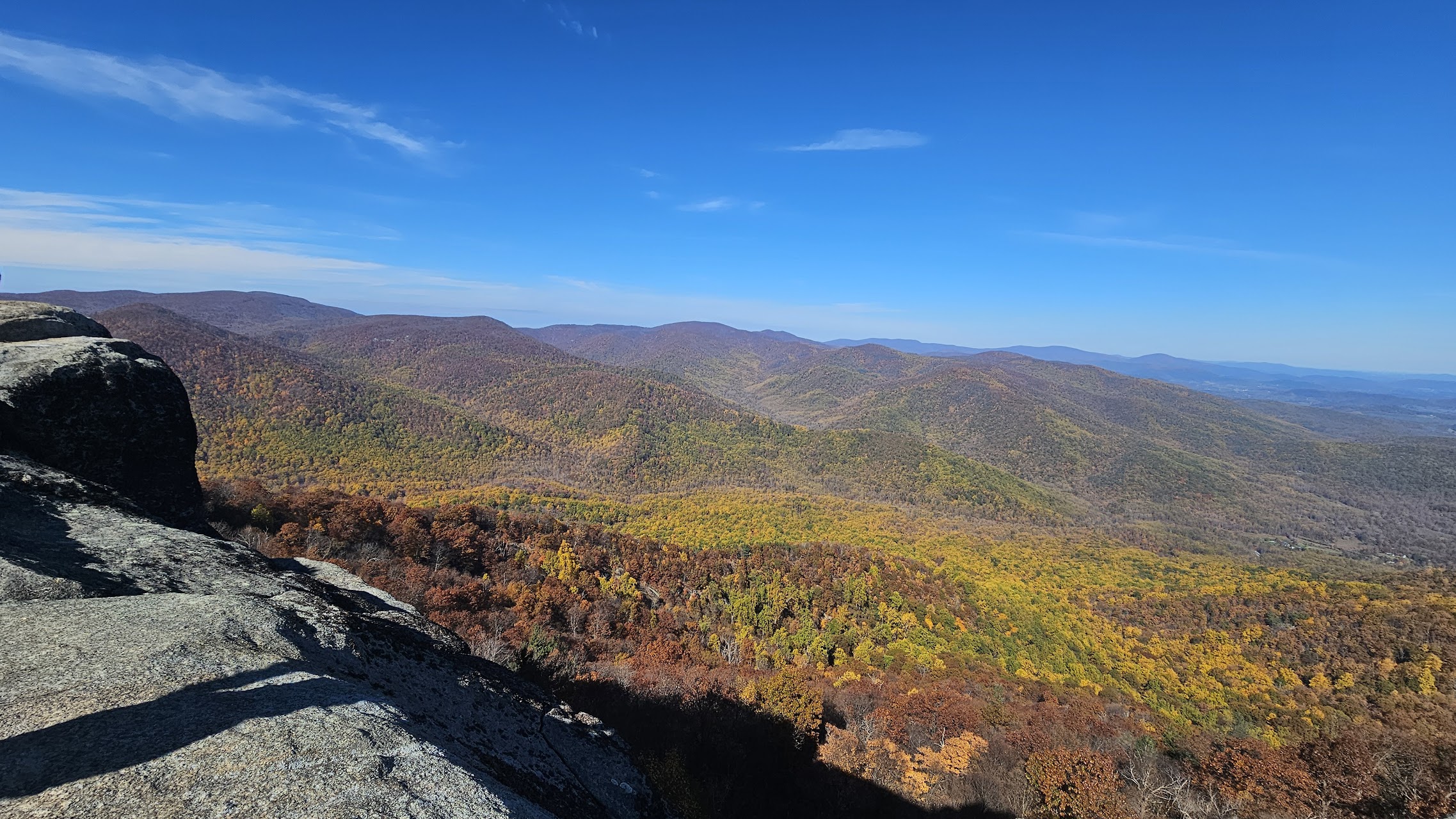
Old Rag summit: Old Rag rewards a long, demanding hike and rock scramble with open granite surfaces and broad views across the Blue Ridge. The summit area provides room to photograph rolling mountain ridges from several angles, making the scenery a central part of the experience rather than a single overlook at the end of the trail.
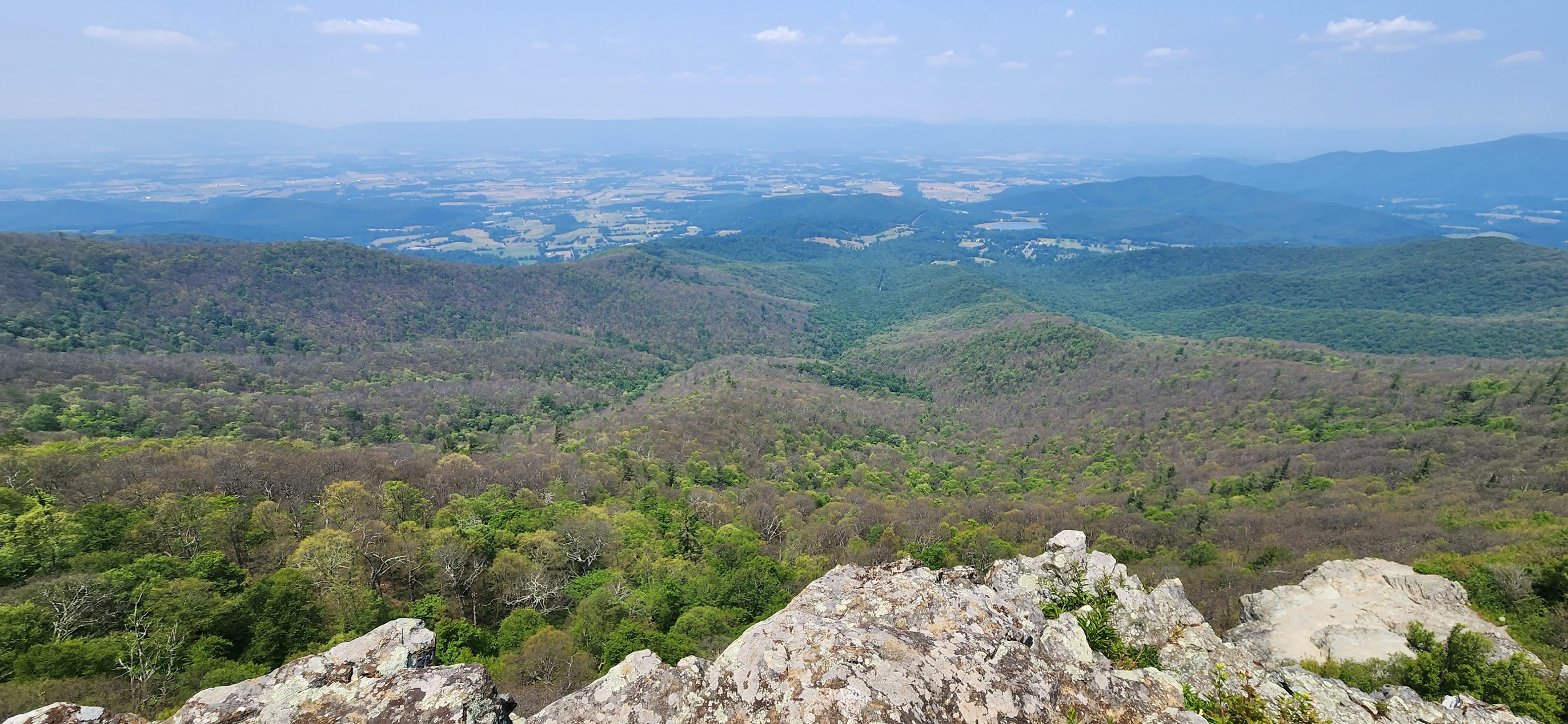
Little Stony Man: Little Stony Man provides a wide Shenandoah Valley view after a much shorter approach. It is a practical choice for visitors who want an elevated sunset or layered-ridge photograph without investing most of the day in Old Rag, although the exposed viewpoint still requires careful footing.
Our experience: Shenandoah is our home national park, and we have hiked most of its major trails. Old Rag provides the strongest summit views we have experienced in the park, but it is also Shenandoah's most challenging established day hike. For visitors who are not ready for Old Rag, Little Stony Man provides a comparable layered Blue Ridge perspective in an approximately one-hour round trip without requiring a full-day commitment.
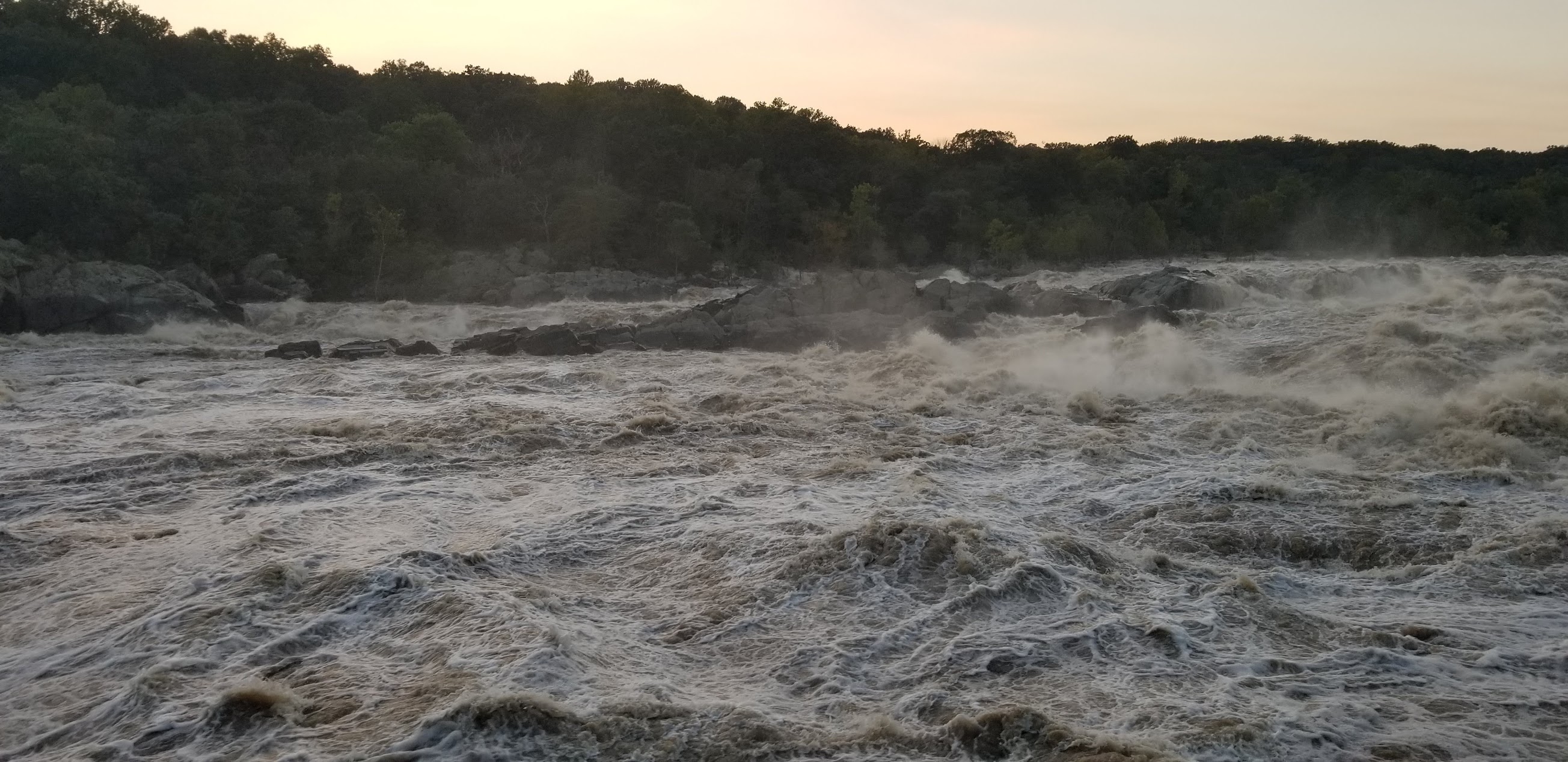
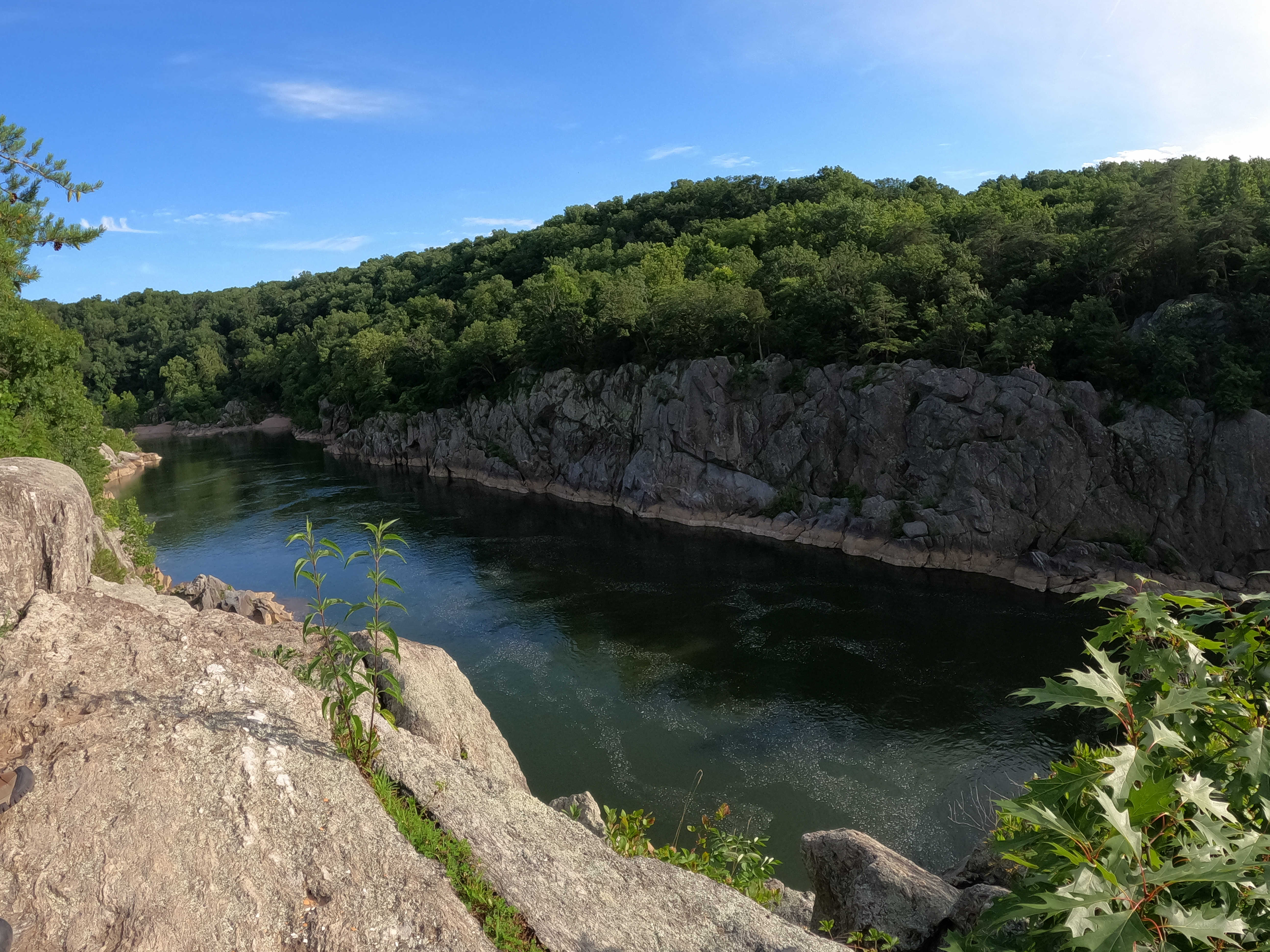
Great Falls overlooks: The overlooks provide a close, elevated view of the Potomac River dropping through exposed rock before entering Mather Gorge. Because the viewpoints are only a short walk from the visitor area, they offer one of the most accessible opportunities near Washington, DC, to photograph powerful moving water and a narrow river gorge.
Billy Goat Trail: The Billy Goat Trail on the Maryland side provides a more active perspective beside the Potomac, combining rock scrambling with repeated views into the river corridor. It is worth choosing when the hike itself is part of the objective, but visitors should not treat it as equivalent to the short overlook walk.
Our experience: Great Falls is also one of our home parks, located approximately 15 minutes from us, and we visit several times each year. We occasionally walk the overlooks or hike the Billy Goat Trail when it is not flooded or overcrowded. Water levels, trail surfaces and crowding can change the experience substantially, so check current conditions before attempting the trail. Our Billy Goat Trail video guide provides a complete visual overview of the hike and its major sections.
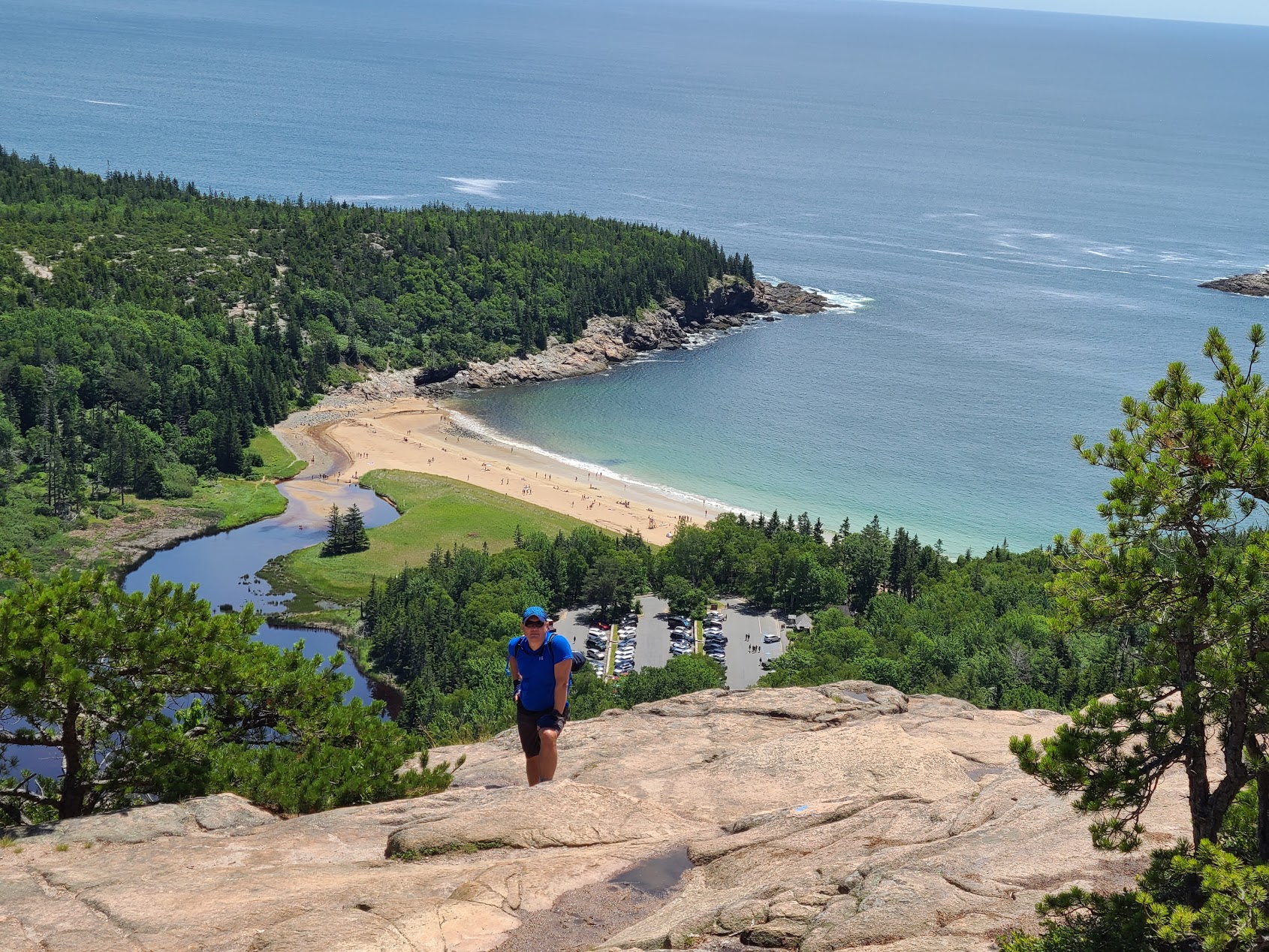
Beehive summit: The Beehive Trail reaches an exposed granite summit with broad views toward Sand Beach, surrounding headlands and the Atlantic. The photographs are a major reward for the steep climb, but the iron-rung and cliff sections make this a route for visitors who are comfortable with exposure and dry rock conditions.
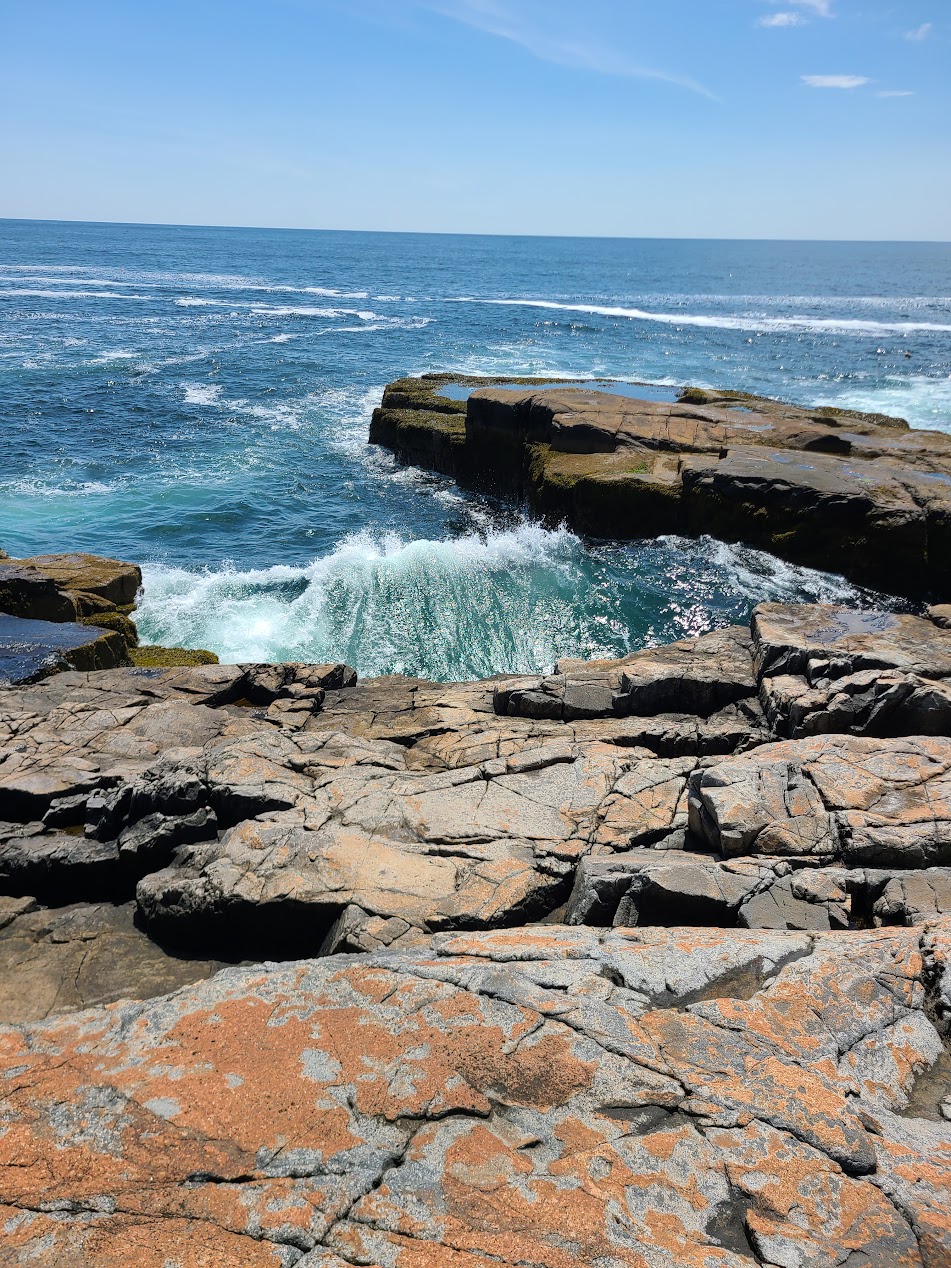
Schoodic Point: Schoodic Point provides a ground-level coastal perspective where broad granite slabs meet the open Atlantic. It offers a quieter visual experience than Acadia's summit hikes and allows visitors to photograph waves, rock textures and the coastline without completing a steep climb.
Our visit — July 2021: Acadia offered hiking options ranging from short walks along the ocean shore to steep, exposed trails such as the Beehive and Precipice. Schoodic Point provided a very different experience: broad granite rocks meet the cold Atlantic, creating a close view of the marine environment associated with Maine's lobsters and other coastal wildlife. Together, these locations show the range between Acadia's challenging summit trails and its accessible shoreline scenery.
This collection is a living list that we update as our hiking experience expands across the United States and around the world. Visit the Hiking Blog for detailed trail reviews, destination guides and practical trip-planning articles based on our firsthand experience.